

Surgical care doesn’t have to mean a long drive, a long wait, or a one-size-fits-all healthcare experience. As the rural healthcare market shifts and expands, hospitals that can position themselves as quality, convenient, modern alternatives to distant city centers are capturing both market share and physician recruitment advantages.
From expanding surgical capacity at rural hospitals to designing new, freestanding Ambulatory Surgery Centers, health care organizations have opportunities to rethink how and where surgical care is delivered. Thoughtful design can help make those opportunities a reality—creating surgical environments that improve access, support efficient operations, recruit new providers, and give patients more convenient options for care closer to home.
Let’s take a look at a few BWBR project examples:
Helping Rural Communities Thrive
For growing rural communities, expanding surgical capacity can be about more than adding space—it can create an opportunity to bring advanced technology and capabilities closer to home. Strategic technology investments can help community hospitals support increasingly complex procedures, assist in recruiting additional surgeons, expand available surgical interventions, adapt to future advancements, and provide patients with a level of surgical care that might otherwise require travel to the nearest city hub.
Tamarack Health Ashland Medical Center, a top-ranked Critical Access Hospital in northern Wisconsin, engaged BWBR to design a major addition and renovation to meet growing surgery needs through capacity, flow, and technology. The team worked to expand the hospital’s surgical capabilities, adding operating room capacity and enhancing sterile flow of people, instrumentation, equipment, and supplies. Rooms are designed to house today’s technology and adapt to future developments. By introducing high-tech features and optimizing workflow, the addition creates the region’s most advanced surgical care, enabling Ashland Medical Center to become a regional hub for highly complex procedures that may have previously required referral to distant facilities.
By investing in surgical expansion tailored to modern technology, rural hospitals are redefining what’s possible in smaller communities. Surgeons have access to the advanced tools they need, helping organizations recruit and retain talent. Patients no longer face the choice between traveling hours for specialized care or forgoing advanced procedures altogether. Instead, they access the same high-tech capabilities available in urban centers—but closer to home, their families, and their support systems.
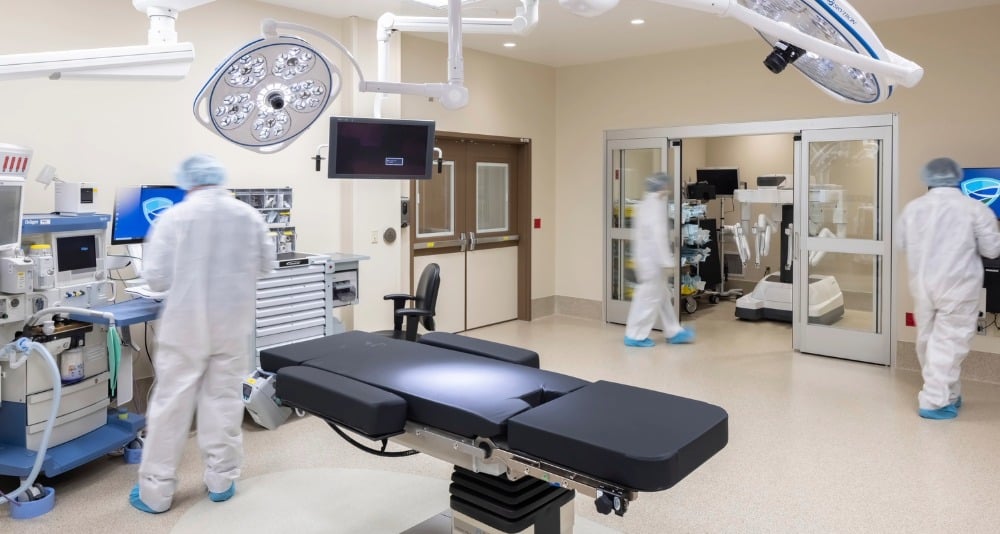
Robotic OR in the Tamarack Health Ashland Medical Center Surgery Addition. Photo by Farm Kid Studios.
Better Connectivity, Better Outcomes
Along with increasing capacity and making specialty services possible, a surgery addition can create new opportunities to connect outpatient care with a hospital’s existing surgical resources. When these spaces are planned as part of a larger surgical ecosystem, they can streamline the patient experience and make better use of existing resources.
At Lake Region Healthcare, BWBR helped expand ambulatory surgery services with dedicated pre- and post-operative rooms located within the outpatient setting, while maintaining direct access to the hospital’s surgery department. The addition also brought endoscopy into the same outpatient space, creating greater connectivity among procedural services. By thoughtfully organizing pre-op, post-op, and procedural spaces, the design supports efficient patient flow and creates opportunities for care teams to work more seamlessly across services—all while expanding outpatient access.
This approach allows patients to receive the convenience and accessibility of an outpatient experience while remaining closely connected to the hospital’s surgical infrastructure and resources. Meanwhile, healthcare systems gain operational efficiency through better space utilization and the ability to serve more patients without requiring significant additional infrastructure investment.
Conveniently Close to Home
For small communities with limited options for surgical care close to home, Ambulatory Surgery Centers can provide patients with more choice and control over their health, often providing cost-effective services with minimal wait times and quick discharge. By bringing the ASC model to these areas, providers can help fill care gaps while community members can benefit from shorter travel distances.
CedarCrest Surgery Center is a new Ambulatory Surgery Center and Orthopedics and Sports Medicine clinic in western Wisconsin that enhances the region’s service capacity, expanding and consolidating functions previously spread across leased spaces and the local hospital into one convenient location. The facility allows the community to access outpatient surgery in a modern environment specifically tailored to the needs of Rice Lake and surrounding regions.
Closer proximity brings more than just convenience—when patients can get home and back on their feet quicker, they see reduced risk of post-surgical complications and overall improved outcomes through increased ambulation following surgery. Meanwhile, streamlined processes and added capacity help patients get in and out faster with reduced wait times and smoother procedures.
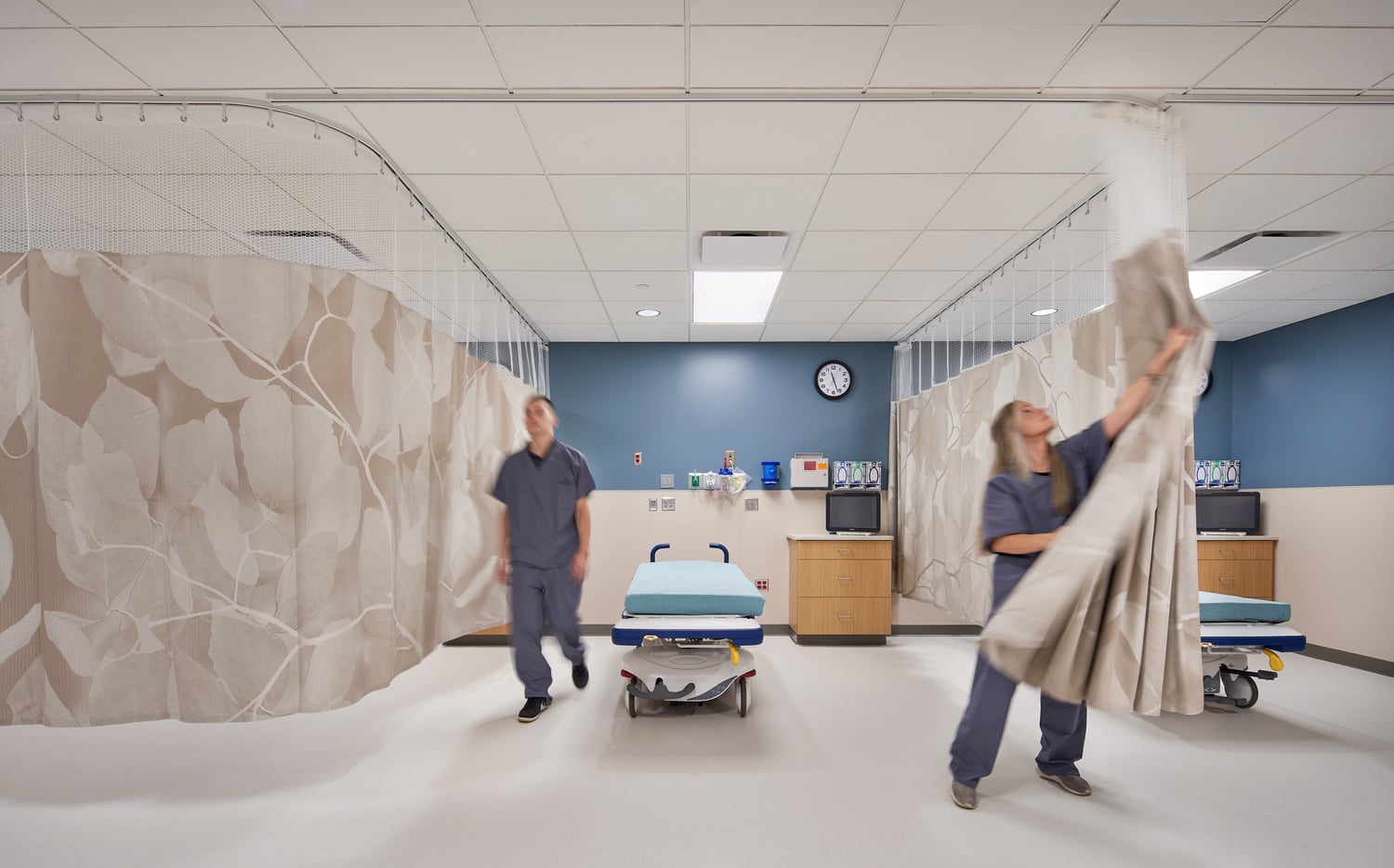
CedarCrest Surgery Center PACU. Photo by Jasper Lazor.
Partnering for Surgery Solutions
As communities continue to grow and evolve, so do their healthcare needs. Strategic planning can help healthcare organizations respond with surgical environments that improve access, support efficient operations, and give patients more choice in where they receive care. BWBR brings a collaborative approach to each project, working alongside healthcare teams and stakeholders to create facilities that support both exceptional care and long-term operational goals.
By expanding access to complex procedures and creating more convenient options for care, healthcare organizations can strengthen the rural communities they serve. With thoughtful surgical environments that enhance the experience for patients, families, providers, and staff, we can bring high-quality care closer to home.