

Side of Design in Review: Top Episodes of 2025

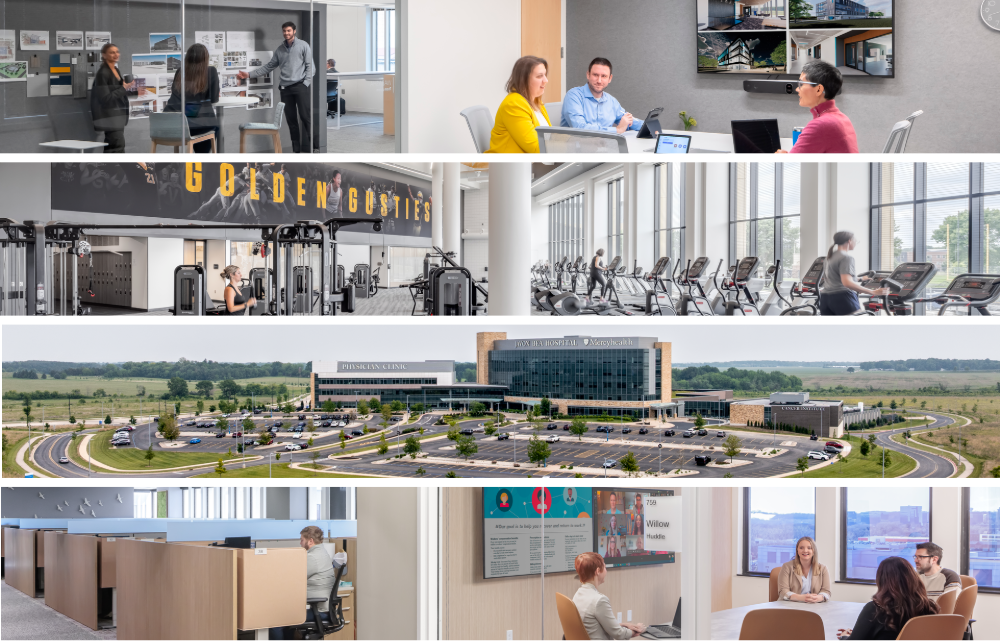
After another year filled with inspiring dialogue and fresh ideas across architecture and design, BWBR’s Side of Design podcast is closing out 2025 on a high note. Across 12 conversations and insights from nearly 30 guests, we gathered the most-clicked episodes—spotlighting higher education, healthcare, workplace, sustainability, and more.

Here’s a look at the four episodes listeners loved most:

1. Designing a Career Path

The path to professional fulfillment isn’t always a straight line, and the stories of some of our BWBR team members prove just that.

In the 2025’s top episode of Side of Design, host Matt Gerstner and three BWBR colleagues—Marketing Manager Danielle Hilmo, Knowledge Manager Kari Shonblom, and Sustainability Specialist Rasa Zeltina—share their fascinating journeys of career transformation, revealing how seemingly unrelated experiences can shape unique perspectives and lead to rewarding careers in unexpected places.

Read the full recap here.

2. Athletics Design that Achieves More

Athletic facilities aren’t just about sports anymore. As BWBR’s Architectural Design Manager Kyle Lunke and Principal Craig Peterson discuss in this episode, these spaces drive enrollment, enhance student wellness, and strengthen institutional identity.

Venues that welcome fans on game day help foster an incredible sense of community and energy—but the benefits go on long after the game clock runs out. That’s why we were excited to talk with Kyle and Craig to gain insights into how thoughtful design transforms athletic facilities into dynamic hubs serving entire campus communities.

Read the full recap here.

3. A System-Level Approach to Healthcare

Healthcare executives juggle decisions worth millions of dollars across multiple campuses while trying to predict a future that keeps changing. Aging facilities need updates, new technologies demand space, and patient needs shift faster than anyone can track. For health systems managing everything from rural Critical Access Hospitals to major medical centers, the old method of planning one facility at a time leaves critical gaps.

BWBR Principal Jason Nordling, Senior Planner Jessica Sweeney, and Principal Brian Zabloudil help health systems tackle this complexity through system-level strategic planning. Their work extends well past traditional facility master plans, taking on the task of aligning an entire network of care.

Read the full recap here.

4. Creating a Greener, People-First Office

When the lease on their office space expired, Minneapolis-based engineering firm Loucks sought out a team that could help create their ideal work environment in a new location. With help from BWBR, furniture dealership Henricksen, real estate firm Cushman & Wakefield, and some extraordinary luck, Loucks transformed an already promising space into a workplace that supports their culture, enhances well-being, and aligns with today’s technology needs—all while keeping existing furniture out of landfills.

In this episode, BWBR’s Kelly Heatley joins guests from Henricksen and Loucks to talk about the office renovation that supports the firm’s needs into the future—and makes a fantastic case for the powerful impact of reuse.

Read the full recap here.
Thanks for tuning in to Side of Design! We’ll see you next year!

Side Notes: How Professional Services Bring Buildings to Life

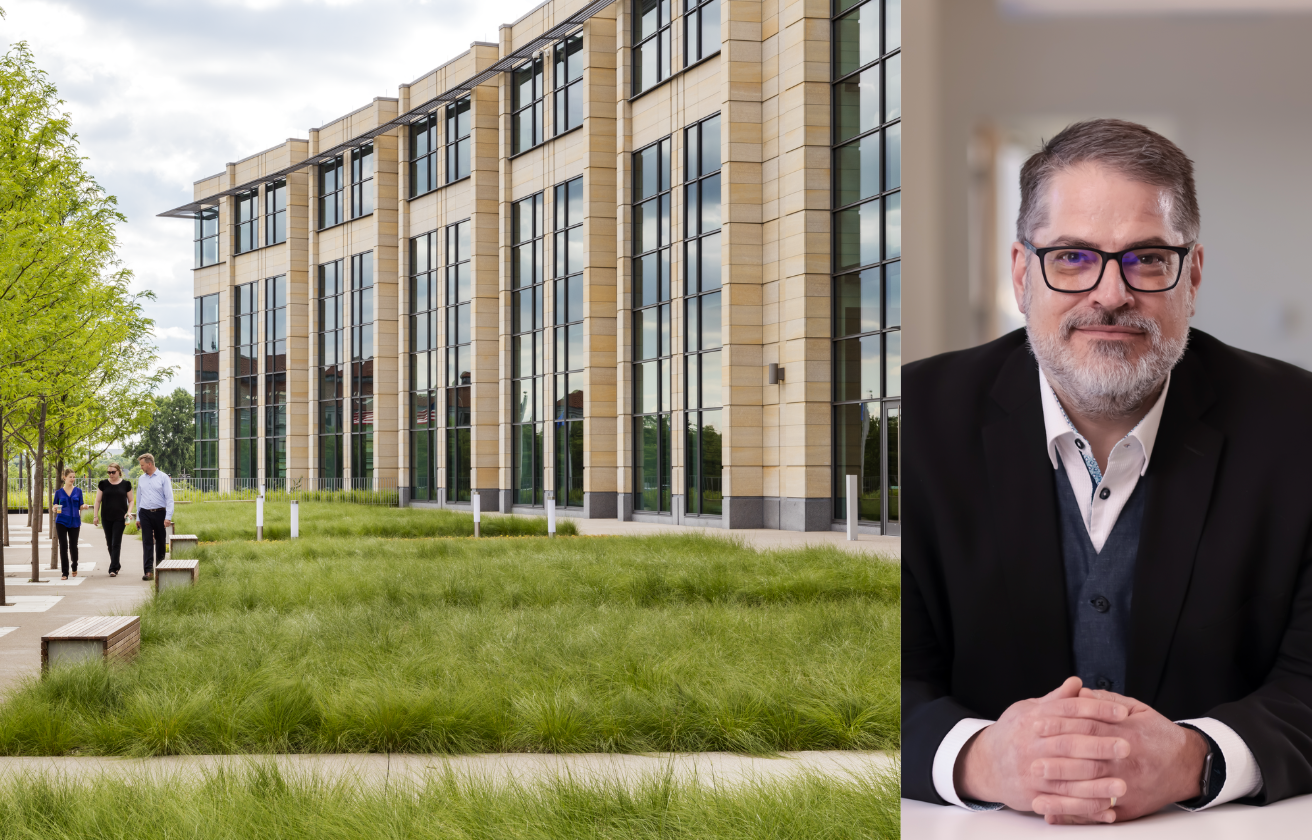
Bringing a building design from concepts and renderings to a completed facility is a complex and technical process. Playing a major part in making it happen is BWBR’s Dan Hottinger, Principal and Professional Services Director, who describes his role as “the bridge between design and putting the design in motion.” In this episode of Side Notes, he shares the latest innovations and challenges he sees impacting the AEC industry—and how professional services can help.

From Concept to Construction

Professional services encompass “everything that we do after we land the project and work on the design—to get it out in the field and built.” From specifications and documentation to code requirements and construction administration, Dan and his team confirm that everything in a design works correctly, is code compliant, and is implemented accurately during construction.

Dan’s role also uses data to help make strategic design decisions. Rather than basing choices in best guesses, “we actually have the data to back up and say, this is the size of the waiting room that you need in a medical situation, because we’ve actually went out there and monitored, and you don’t need 50 seats, 14 will do,” he explains. “And here’s why, here’s how we can prove it.”

He shares the importance of using data and strategic thinking to challenge notions. “How many times have you walked into a client meeting and they say they’ve always done it this way and it works?” Instead, Dan asks, “But what would make it great? What would make it work better?”

The Impact of AI

AI is making waves across industries, causing uncertainty as it evolves. But Dan explains that AI can lend itself to a much more efficient design process. “There’s some weirdness about it that we have to iron out. It’s not perfect,” he explains. “But it will allow for us to make more durable decisions earlier so that so that we can focus on the design once we have it.”

Dan dispels a common misconception that “AI is the death of creativity” as some people worry. “AI doesn’t have the ability to design a building. We still need that creativity within our design group.” Instead, AI can help the design team translate their ideas more efficiently, aid in brainstorming, or quickly generate adjustments to concepts.

“There was a day when we used to draw everything, right? On mylar with ink. Making changes was just pull your hair out time—oh no, that’s too late, we can’t change it now.” While today, changes still can’t quite be made with a “press of a button”, evolving technology has made it much simpler.

Balancing Ambition with Reality

Along with unpredictable changes in tech, the climate of the industry is always changing: “We have tighter budgets, shorter schedules, and high client expectations.”

With these challenges, “the biggest thing is balancing the project’s ambition with the reality,” he says. “Being able to have a team that can effectively come in and make sure that the project reaches the ambition that the client wants, while injecting the reality of sustainability, of codes, of all of the different review processes, and the time to get it done properly.”

He compares this balance to a sign posted in the auto repair shop his dad owned. “I think it fits in this industry. It had a triangle, and it said: cheap, fast, or good. The caption underneath it was, you can only have two of these.” Of course, everyone wants all three but, “if you want it super fast and super cheap, you have to cut corners somewhere,” he says.

While the design team can’t achieve it all, Dan says their job is to make it simpler. “We should be able to put a lot of the code and a lot of the sustainability stuff into easily digestible strategies for our clients. And that way in the end, we can help them see their project succeed.”

The Future of Professional Services

Dan explains that one piece of his position involves finding and mentoring the next generation of professionals. “I find the people who are coming in the next generation to be inspirational. I love interviewing them, I love meeting with them, I love when they come in and ask questions. They’re not weighed down by all of the preconceived notions,” he shares.

Emerging professionals bring fresh perspectives and new ideas that will continue to help the design profession evolve, but it’s just as important to pass along the knowledge that our industry veterans have learned over the years. “Teaching the next generation is so much fun. And I might even say it’s a little bit easier because oftentimes you can do it over Zoom, you can create videos and podcasts and things like that. So, it gives you a much wider base to start from and it also gives them something that they can go back to,” he says.

He notes that design is “one of those industries where you’re always learning,” even after nearly 30 years. To Dan, that’s what makes this profession so fun and engaging.