
- Insights
Trending Now

Bartelme, Wis.
Adolescent Recovery and Wellness Center
Great Lakes Inter-Tribal Council
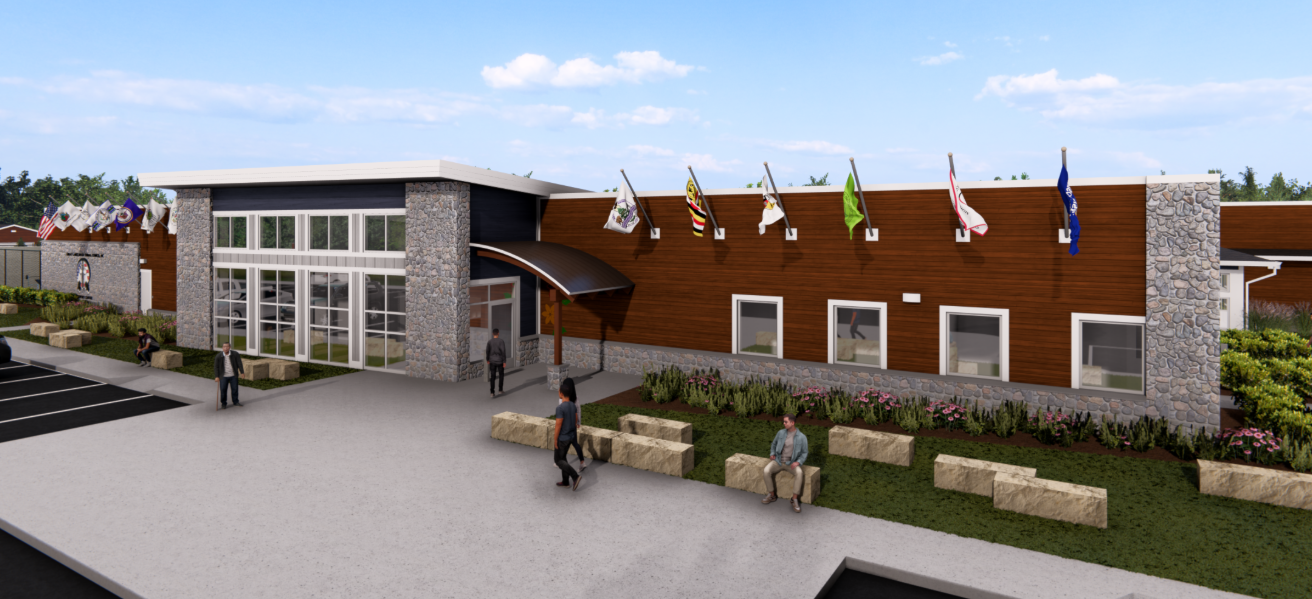
The Great Lakes Inter-Tribal Council (GLITC) is a non-profit consortium dedicated to enhancing quality of life for Native people through health-focused programs. Recognizing the lack of specialized treatment facilities that accept Indian Health Services reimbursements, GLITC’s 12 member Tribes united to fund, build, and operate their own residential treatment center with priority given to serving Native youth. BWBR collaborated with indigenous-owned management company Greenfire, indigenous architect DSGW, and behavioral care provider Portages Health to design a new Adolescent Recovery and Wellness Center.
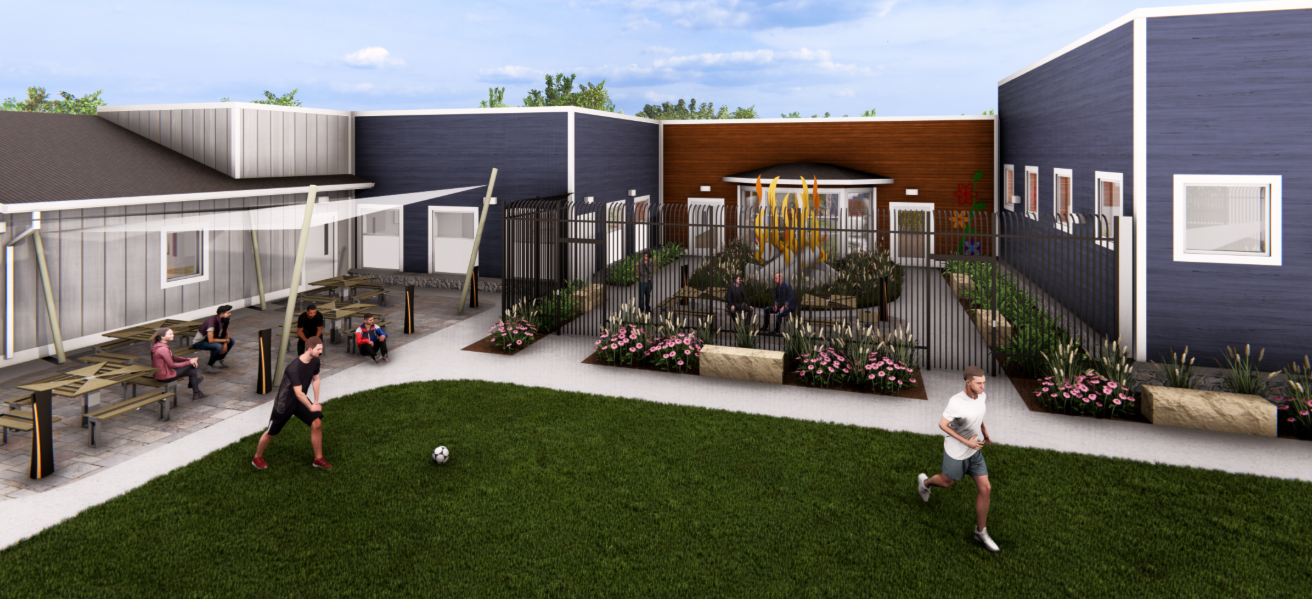
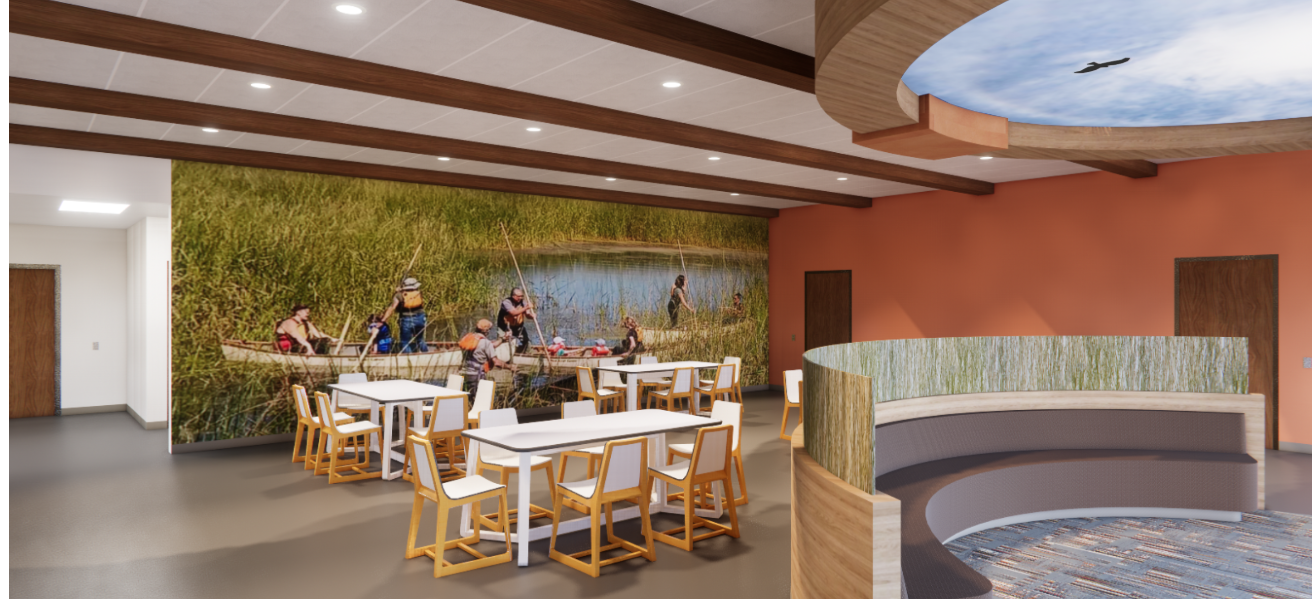
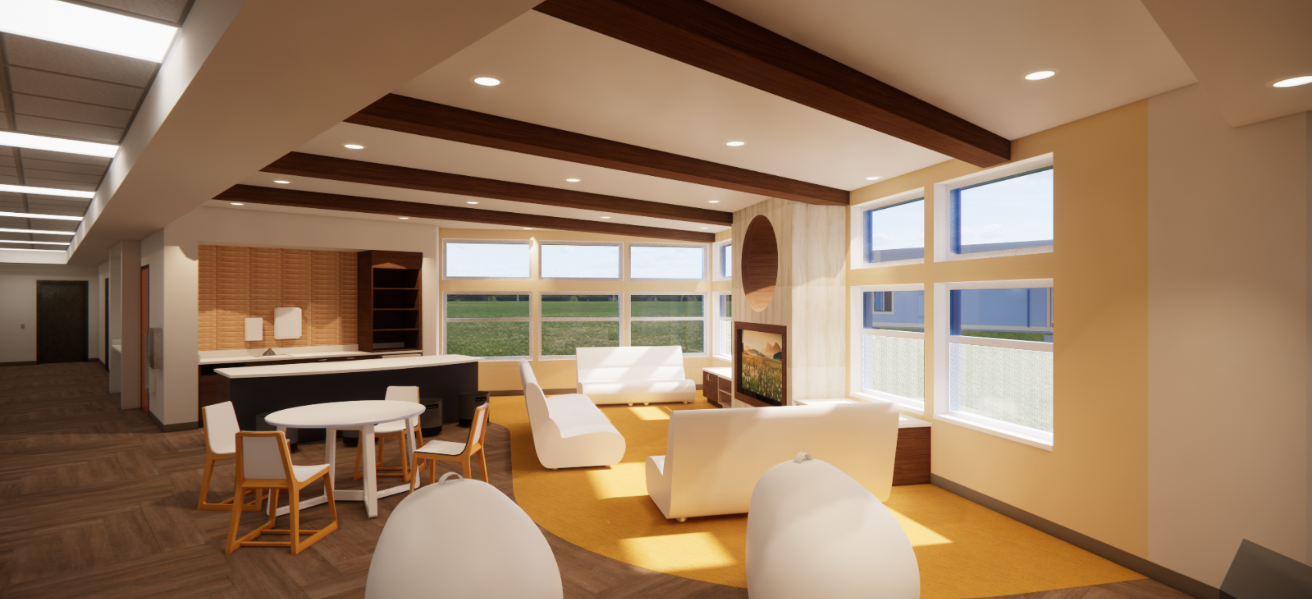
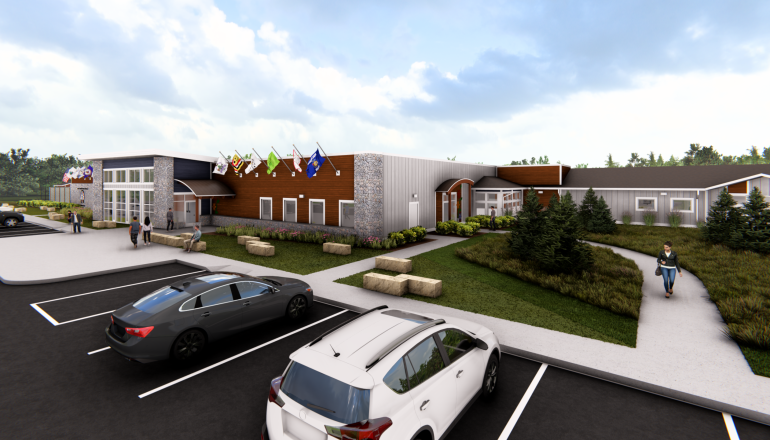
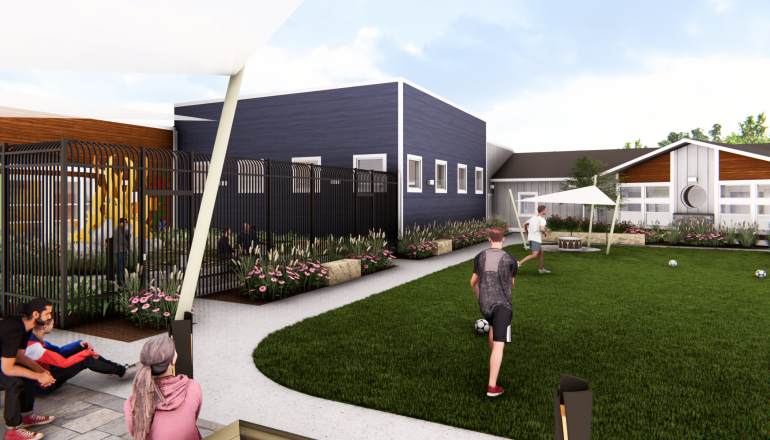
The 36-bed facility is centrally positioned on a wooded greenfield site in northeast Wisconsin to serve all of GLITC’s member Tribes and urban Native populations. Designed to provide culturally responsive care rooted in community support and clinical excellence, the center will offer comprehensive treatment for adolescents struggling with substance use disorder and co-occurring mental health conditions. Patients are grouped into separate units by gender and age group with multiple rooms that can flex as population needs change. A home-like atmosphere is created through ample recreation areas, day rooms, kitchenettes, family visitation spaces, and thoughtful circulation that maintains patient privacy. The facility integrates shared tribal cultural elements, including outdoor space for wild rice harvesting, maple tree tapping, and medicinal gardens, shelves in the main entry for sage and other ceremonial elements, and circular patterns for drum circles and gathering in group rooms.
Project partners: DSGW, First American Design Studio, Greenfire Management Services, IMEG, Portages Health, RL Mather Design

Team






Project Specs
Size:
35,000 sq. ft.
Components:
New 36-bed treatment facility serving adolescents aged 13-17; multiple indoor and outdoor recreation spaces, including areas for fitness and therapeutic art; traditional healing room; walking paths and medicinal gardens; dining, day rooms, and visitation spaces support residential living for patients; intake and treatment spaces
Completion:
TBD